Exploring Nigeria's Power Players: The Top 10 Energy Companies Shaping the Nation's Energy Landscape
 Admin
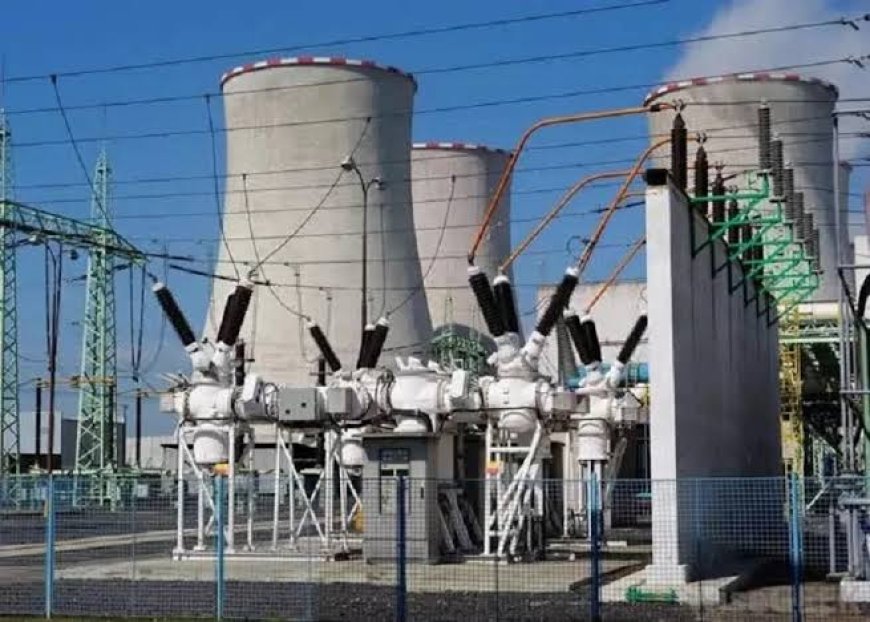
Nigeria, a country with a rapidly expanding economy and population, mostly depends on its energy sector to power its homes, businesses, and infrastructure. This is a perceptive look at the top ten energy firms that have shaped Nigeria's energy sector.

1. National Petroleum Corporation of Nigeria (NNPC):
The state-owned oil company, or NNPC, is in charge of managing the oil and gas sector in Nigeria. It is essential to the nation's energy industry, driving most of its exploration, production, refining, and distribution of petroleum products.
2. Shell Petroleum Development Company (SPDC):
A subsidiary of Royal Dutch Shell, SPDC operates joint ventures in Nigeria's oil and gas sector. Its involvement spans exploration, production, and liquefied natural gas (LNG) projects, contributing significantly to the country's energy output.
3. ExxonMobil Nigeria:
As one of the largest oil and gas companies globally, ExxonMobil has a strong presence in Nigeria. Its operations encompass exploration, production, and development of crude oil and natural gas resources.
4. Chevron Nigeria Limited:
Chevron operates various projects in Nigeria, focusing on oil and gas exploration, production, and distribution. The company has made substantial investments in deepwater exploration projects in the country.
5. Energy Efficiency: Energy companies ought to encourage industry and customers to adopt energy-efficient practices. Energy utilization can be maximized and waste can be reduced by promoting the use of energy-efficient equipment and putting conservation measures in place.
6. Collaboration and Innovation: It's critical that government agencies, the commercial sector, and academic institutions work together. Collaborative efforts have the potential to stimulate innovation in green technologies, increasing their affordability and accessibility for wider adoption.
7. Policy and Regulatory Support: Promoting the expansion of green energy requires both enforcing regulations that are favorable and clear. Governments ought to provide subsidies, encourage investment in renewable energy, and maintain a supportive regulatory framework.
8. Community Engagement and Education: Promoting acceptance and participation in sustainable energy efforts is achieved through teaching communities about the advantages of green energy and include them in decision-making processes.
9. Integration of Smart Grids:
Implementing smart grid technology enhances the efficiency and reliability of energy distribution. Smart grids enable better integration of renewable sources and empower consumers to actively manage their energy consumption.
10. Continuous Evaluation and Adaptation:
Regular assessments and adaptations to changing technology and market dynamics are essential. Flexibility and a willingness to embrace emerging green technologies are crucial for sustained progress.
Nigeria is about to experience a revolutionary change in the energy sector. Nigeria's energy businesses can position themselves as leaders in the worldwide shift towards a greener future, while also meeting the country's expanding energy demands sustainably, by embracing and optimizing the use of green energy sources.
This all-encompassing plan, along with teamwork and steadfast dedication, can open the door for Nigeria to have a more lucrative and sustainable energy landscape.