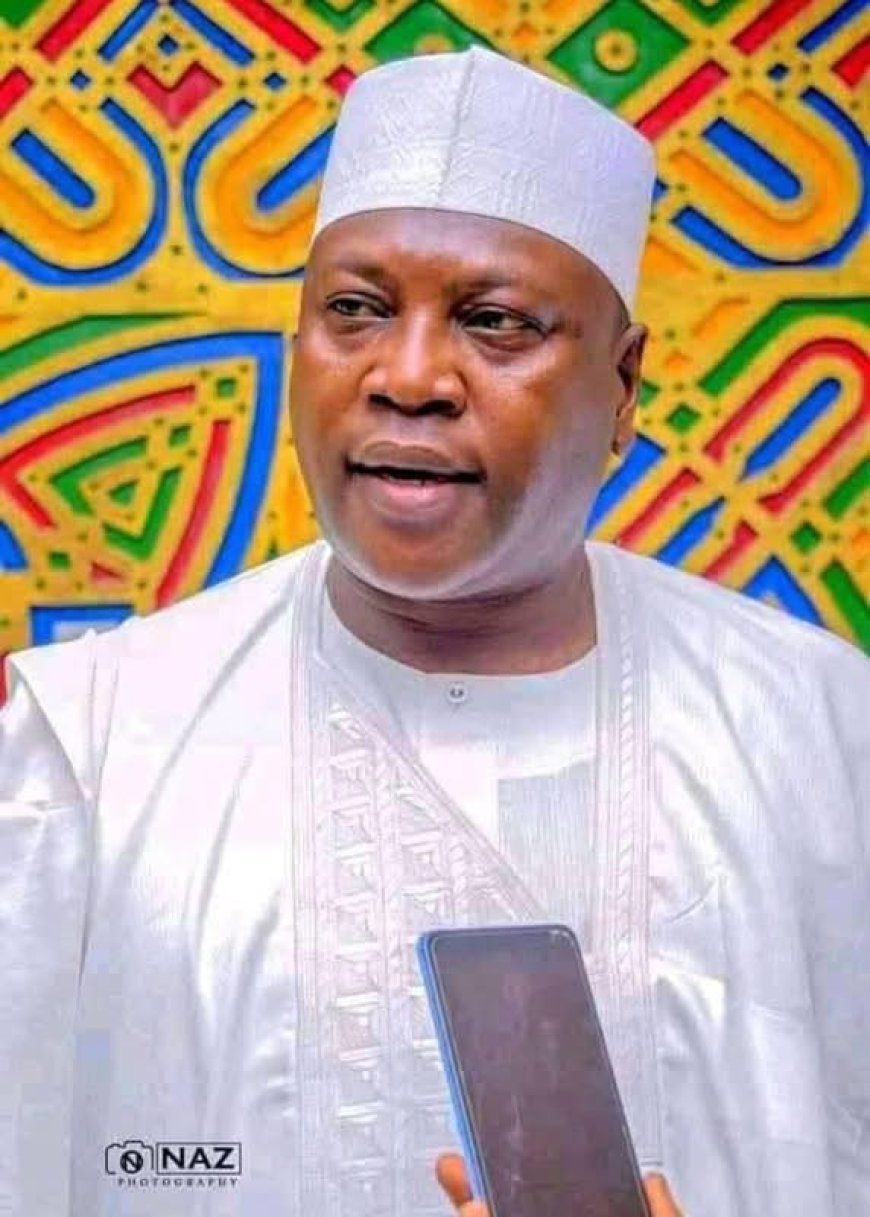
Rurum and the Politics of Continuity: What Another Term Could Mean for Rano, Bunkure and Kibiya
As the 2027 general election approaches, what could another term for Rt. Hon. Kabiru Alhassan Rurum mean for Rano, Bunkure and Kibiya Federal Constituency
 Admin
Opinion | By Muhammad Zango

In politics, continuity becomes meaningful when it offers a pathway to consolidate progress, complete important initiatives and pursue development objectives that require sustained commitment. It is not simply about retaining political office; it is about determining whether accumulated experience can be translated into greater public value.
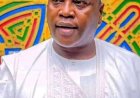
As the 2027 general election approaches, the question of representation in Rano, Bunkure and Kibiya Federal Constituency deserves a closer examination. At the centre of this conversation is Rt. Hon. Kabiru Alhassan Rurum, whose political career spans grassroots administration, legislative leadership in Kano State and service in the House of Representatives.
His experience presents an opportunity to consider what continuity could mean for the constituency and what standards should guide the decision of voters.
EXPERIENCE IS AN ADVANTAGE, BUT PERFORMANCE IS THE TEST
Legislative institutions require more than political enthusiasm. They demand an understanding of parliamentary procedures, policy development, committee responsibilities, budgetary processes and the relationships through which public priorities can be advanced.
Rurum’s experience as a former Speaker of the Kano State House of Assembly gives him familiarity with legislative leadership that extends beyond ordinary parliamentary participation.
That experience can be valuable in federal representation, particularly when constituency interests require sustained engagement with ministries, agencies, committees and other public institutions.
However, experience alone cannot settle the question of re-election. Its real significance lies in what a representative accomplishes with it.
For the electorate, the relevant questions concern the quality of representation, the progress of development initiatives, the accessibility of their representative and the seriousness with which community needs are addressed.
DEVELOPMENT CANNOT BE BUILT ON INTERRUPTED PRIORITIES
Communities often face development challenges that cannot be resolved through isolated interventions. Roads require maintenance, schools require sustained investment, young people need opportunities, and agricultural communities need infrastructure that supports production and access to markets.
These priorities demand planning, coordination and follow-through.
A representative who understands the constituency’s challenges and has established experience within the legislative system may be better positioned to pursue unfinished priorities. Yet that advantage must be demonstrated through identifiable projects, credible commitments and measurable outcomes.
The argument for continuity should therefore be connected to a practical development agenda for Rano, Bunkure and Kibiya.
What projects need completion? Which communities remain underserved? What opportunities exist for expanding access to education, healthcare and vocational training? How can federal interventions complement the development efforts of state and local governments?
These questions should form part of the public conversation ahead of 2027.
THE NEXT TERM MUST HAVE A CLEAR PURPOSE
If Rurum seeks another term, the strongest case for his candidacy will be one that looks beyond the achievements of previous years and articulates what the next four years could deliver.
Such a vision should identify priorities, explain the strategy for pursuing them and establish realistic expectations for implementation.
Education and digital skills deserve particular attention in a world where access to technology increasingly influences employment and economic participation. Rural infrastructure also remains important to farmers, traders, transport operators and small businesses.
Similarly, vocational training can help young people acquire practical skills, while improved access to healthcare can strengthen the well-being of families across the constituency.
These are not merely campaign themes. They are development priorities against which political promises should be evaluated.
CONTINUITY AND ACCOUNTABILITY MUST GO TOGETHER
Democracy gives voters the responsibility to assess those who seek to represent them. It also gives public officials the responsibility to explain their records and respond to the expectations of the electorate.
Continuity should never be presented as an entitlement. It is a proposition that must be supported by evidence, performance and a credible plan for the future.
For Rurum, the opportunity ahead is to demonstrate how his experience can translate into further progress for the constituency. For voters, the responsibility is to consider that record alongside the alternatives and the priorities that matter most to their communities.
CONCLUSION
The 2027 election will provide an important opportunity for the people of Rano, Bunkure and Kibiya to reflect on their representation and the direction they want their constituency to take.
Rurum’s legislative experience makes him a significant participant in that conversation. The question of another term should ultimately be determined by the relationship between experience, demonstrated performance and future commitments.
The politics of continuity is strongest when it offers more than familiarity. It must offer a convincing reason to believe that the next chapter can build upon the last.
For Rano, Bunkure and Kibiya, the ultimate measure of representation must remain the progress and welfare of the people.