LinkedIn Employes Ex-Twitter Security Chief, Lea Kissner, as New CISO
Kissner announced the appointment in a LinkedIn post, saying they are "excited" to take on the new challenge.
 Admin
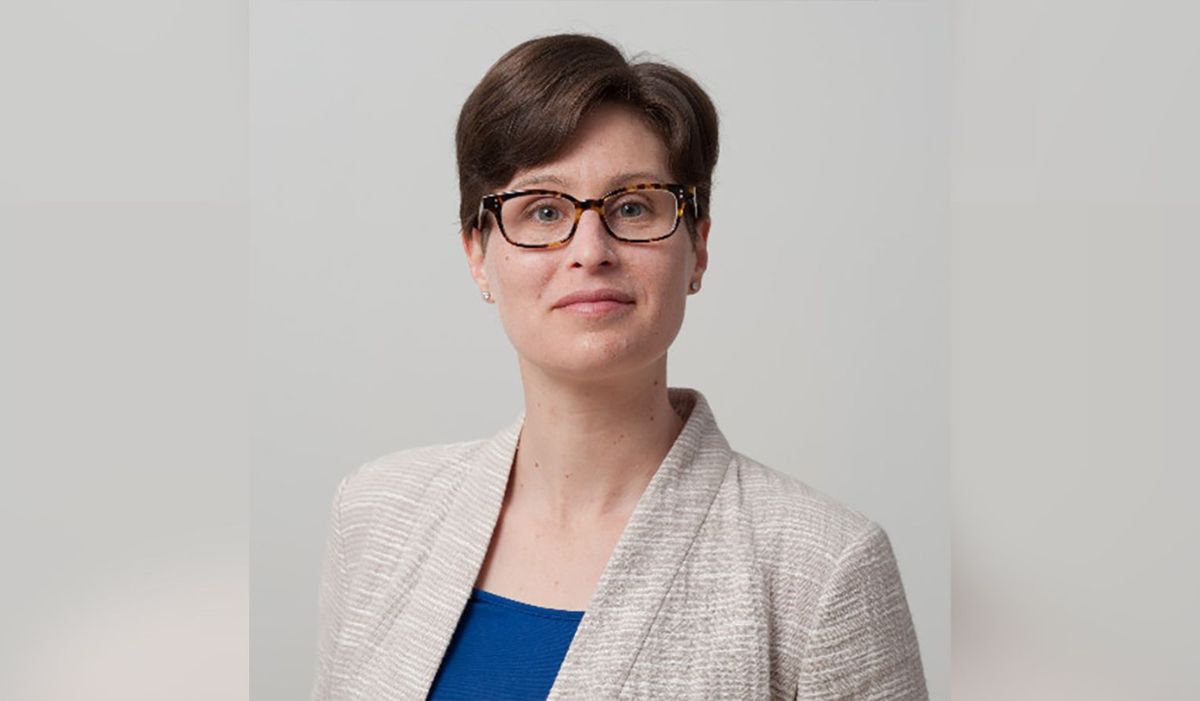
Lea Kissner is LinkedIn’s new chief information security officer.

Kissner announced the appointment in a LinkedIn post, saying they are “excited” to take on the new challenge.
“Big news from me today – I’m joining LinkedIn as the new Chief Information Security Officer! I’m so excited to join LinkedIn and build great things together – and great things are trustworthy things.
“Speaking as a heavy LinkedIn user, I know that what we do here matters and I take that responsibility seriously, she posted on her verified LinkedIn account.
The veteran succeeds Geoff Belknap, who just assumed a separate leadership position at Microsoft, which owns LinkedIn.
Kissner was most recently the Chief Information Security Officer at Lacework, a cloud security firm.
Before that, she was Twitter’s CISO until their departure in November 2022, only weeks after Elon Musk’s $44 billion buyout of the social media behemoth, now known as X.
Kissner shared the news on LinkedIn on Wednesday. “Speaking as a heavy LinkedIn user I know that what we do here matters and I take that responsibility seriously,” Kissner posted.
“I’m an engineer (and cryptographer) by training and I believe that great security not only protects us but makes our systems work better and more robustly.”
She would be in charge of LinkedIn’s security and privacy strategy, including the safeguarding of member and client data.
Kissner had previously worked in key cybersecurity and privacy positions at Google and Apple.
Belknap complimented Kissner in a different post, stating that LinkedIn is in “great hands.”
We earlier reported that LinkedIn has stopped using a feature that lets it exploit sensitive personal data for targeted advertising to comply with EU regulations on online content.
This is in response to a Digital Services Act complaint filed by civil society organisations. Targeting according to information like political opinions and race was made possible by technology.