
The Architecture Behind Slot Games: APIs, Game Engines, RNG, and Backend Systems
Explore slot game architecture, including APIs, game engines, RNG systems, and backend technologies powering modern slot gaming platforms.
 sammerlyn
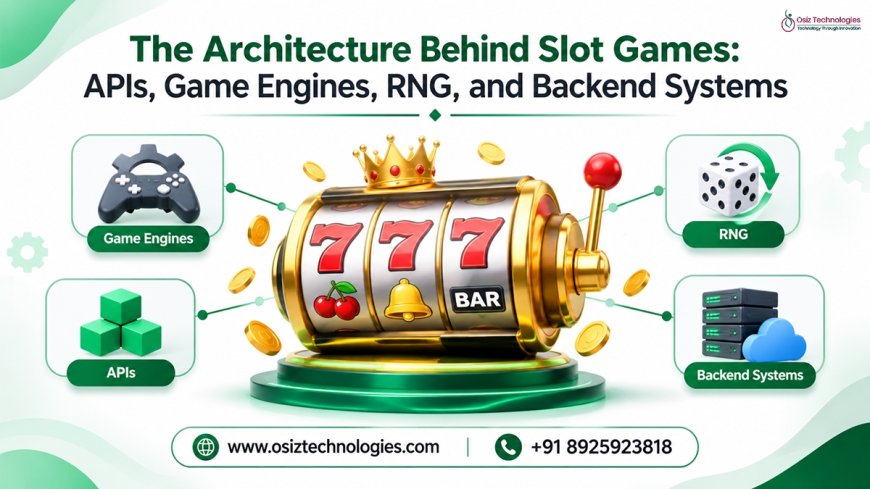
Slot games are powered by multiple technologies working together to deliver interactive and reliable gaming experiences. Behind every spin, animation, and game result, several technical components handle gameplay logic, random outcomes, platform communication, and data processing. Understanding this architecture helps businesses plan gaming platforms with better performance, security, and scalability. Each component plays an important role in creating a consistent experience across different devices and gaming environments.
Understanding the Core Architecture of Modern Slot Games

A modern slot game consists of several interconnected components, including the frontend interface, game engine, Random Number Generator (RNG), APIs, and backend infrastructure. The frontend manages visual elements and player interactions, while the game engine controls gameplay rules and animations. Backend systems process game sessions, store relevant data, and coordinate communication between different services. These components work together to maintain smooth gameplay and reliable platform operations.
Game Engines and Graphics: Powering Interactive Slot Experiences

Random Number Generators (RNG): The Technology Behind Fair Gameplay
Random Number Generators are essential components of slot game systems because they determine game outcomes through random number generation. Depending on the implementation, RNG systems produce values that are mapped to symbols, reels, and game results according to predefined rules. Proper implementation, testing, and independent evaluation help verify that outcomes behave as intended. Developers must also ensure that game logic does not introduce predictable patterns or compromise the integrity of results.
APIs and Integrations: Connecting Slot Games with Gaming Platforms

Backend Systems: Managing Game Sessions, Data, and Performance
Backend infrastructure manages essential operations that keep slot gaming platforms running smoothly. It handles game sessions, player activity, database communication, server requests, and transaction records. Cloud infrastructure and scalable server architecture can help platforms manage changing workloads and maintain service availability. Monitoring tools also help development teams identify performance issues, track system activity, and improve operational reliability as platform requirements grow.
Security and Scalability: Technical Challenges in Slot Game Architecture
Building reliable slot game architecture requires careful attention to security and long-term performance. Developers need to protect user accounts, secure API communication, validate transactions, and safeguard sensitive information. Regular security testing, access controls, and smart contract or application audits where applicable can reduce technical vulnerabilities. Scalable infrastructure, optimized databases, and continuous monitoring further support platform stability as user activity and operational demands increase.
Conclusion: Powering Next-Generation Slot Games with Advanced Technology
Successful slot gaming platforms depend on how effectively game engines, RNG systems, APIs, and backend infrastructure work together. Each component contributes to gameplay quality, system reliability, and secure platform operations. Businesses planning to enter this space can work with an experienced Slot Game Development Company to define technical requirements, select suitable technologies, and build scalable gaming solutions. Osiz Technologies helps businesses transform slot gaming concepts into structured development projects with the right technical foundation.